Starting Solids: A Complete Guide for First-Time Parents
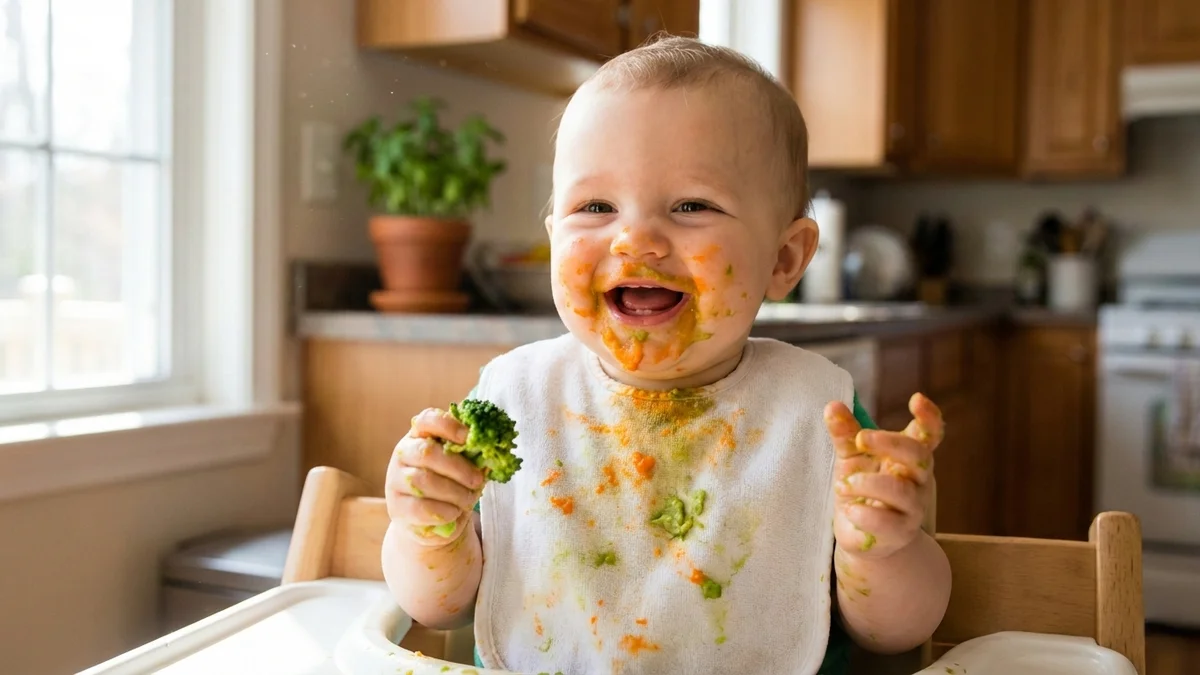
Introducing solid foods is one of the most exciting milestones in your baby's first year. It's messy, it's fun, and it opens up a whole new world of nutrition and family meals. But it can also feel intimidating if you're not sure where to start.
When should you begin? What foods are safe? How do you prevent choking? What about allergies? This comprehensive guide answers all these questions and more, giving you the confidence to navigate this important transition.
When to Start Solids: Reading the Signs
The American Academy of Pediatrics recommends starting solid foods around 6 months of age, though some babies may be ready between 4-6 months. The exact timing matters less than watching for developmental readiness signs.
Your baby is ready for solids when they can:
- Sit up with minimal support - Good head and neck control is essential for safe eating
- Show interest in food - Watches you eat, reaches for your food, opens mouth when food approaches
- Lost the tongue-thrust reflex - No longer automatically pushes food out with tongue
- Can move food from front to back of mouth - Shows chewing motions even without teeth
- Has doubled their birth weight - Usually happens around 4-6 months
- Seems hungry even after 8-10 breast or bottle feedings - May need more nutrition than milk alone provides
Don't start solids just because:
- Baby wakes more frequently at night (this is usually developmental, not hunger)
- Someone tells you to (trust your instincts and your pediatrician)
- Baby is interested in watching you eat (this alone doesn't mean readiness)
Always consult your pediatrician before starting solids, especially if your baby was premature or has any health concerns.
Two Approaches: Purees vs. Baby-Led Weaning
There are two main approaches to introducing solids, and many parents use a combination of both.
Traditional Purees:
This approach starts with smooth, thin purees and gradually increases texture as baby gets used to eating. You spoon-feed your baby and control portion sizes.
Pros:
- Less messy initially
- Easier to control what and how much baby eats
- May be less stressful for anxious parents
- Good for babies who need extra support with feeding
Cons:
- Requires more preparation and cooking
- Baby doesn't learn to self-feed as quickly
- May delay development of chewing skills
- Can be more difficult to transition to regular foods later
Baby-Led Weaning (BLW):
With this approach, you skip purees entirely and offer soft, appropriately-sized finger foods from the start. Baby feeds themselves from day one.
Pros:
- Develops fine motor skills and hand-eye coordination
- Baby learns to self-regulate hunger
- Often less picky eating later
- Easier preparation—baby eats modified family foods
- Encourages independence
Cons:
- Very messy
- Can be stressful if you worry about choking
- Harder to track exact intake
- Requires close supervision
- May waste more food initially
The Combination Approach:
Many parents do both—offering purees when convenient (like at daycare or when traveling) and finger foods when they can supervise closely. There's no rule that says you have to pick one method and stick with it exclusively.
Best First Foods: What to Offer
Traditional First Foods (Purees):
- Single-grain cereals - Iron-fortified rice, oatmeal, or barley mixed with breast milk or formula
- Vegetable purees - Sweet potato, butternut squash, carrots, peas, green beans
- Fruit purees - Apples, pears, bananas, avocado, peaches
- Protein purees - Pureed chicken, turkey, beef, lentils, beans (introduced around 6-8 months)
Baby-Led Weaning First Foods:
- Soft-cooked vegetables - Sweet potato wedges, steamed broccoli florets, roasted carrot sticks
- Ripe fruits - Banana spears, avocado slices, soft pear or peach slices
- Proteins - Shredded chicken, ground beef formed into patties, flaked fish, scrambled eggs
- Grains - Toast strips, pasta shapes, soft-cooked rice balls
Foods to Avoid in the First Year:
- Honey - Risk of botulism (don't offer until after 12 months)
- Whole cow's milk as a drink - Though yogurt and cheese are fine (wait until 12 months for drinking milk)
- Choking hazards - Whole grapes, nuts, popcorn, hard candies, hot dogs (unless modified)
- High-mercury fish - Shark, swordfish, king mackerel
- Excessive salt or sugar - Baby's kidneys can't handle much sodium
- Unpasteurized foods - Certain cheeses, juices, or dairy products
The New Allergy Guidelines: Early Introduction
This is where recommendations have changed dramatically in recent years. We used to delay introducing allergenic foods, but research now shows that early introduction (around 4-6 months) can actually reduce allergy risk.
The Top 9 Allergens to Introduce:
- Peanuts
- Tree nuts
- Eggs
- Cow's milk
- Wheat
- Soy
- Fish
- Shellfish
- Sesame
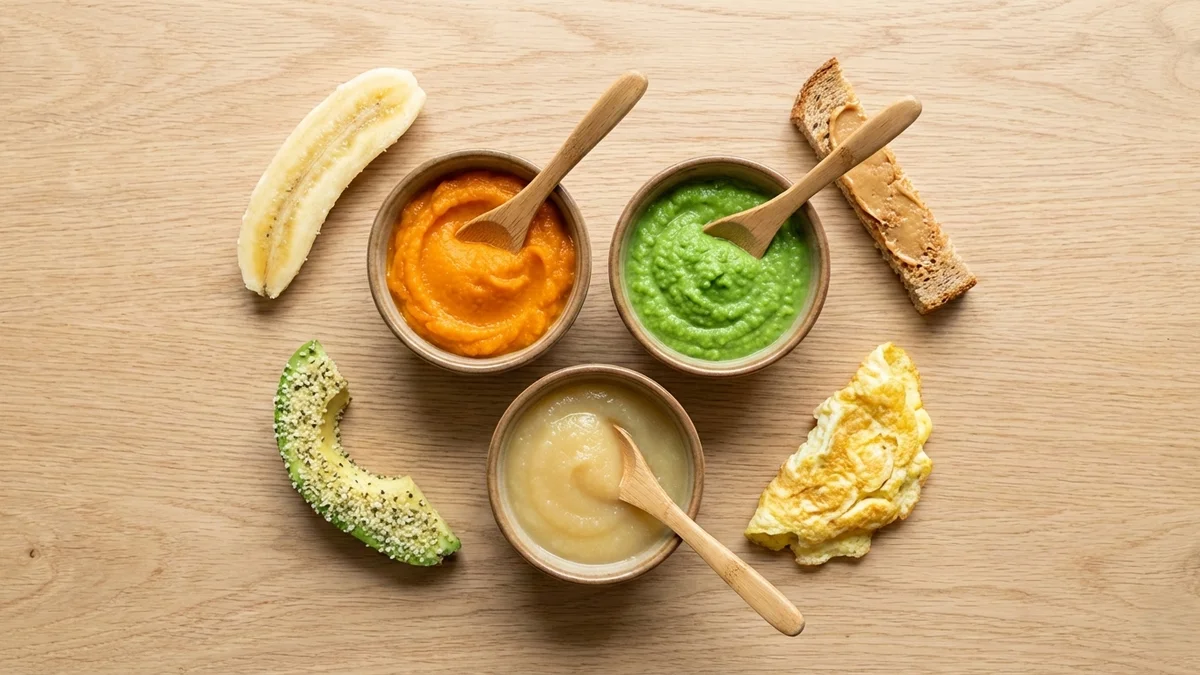
How to Introduce Allergens Safely:
- Start with small amounts at home (not at a restaurant)
- Introduce one new allergen at a time
- Wait 3-5 days between new allergens to watch for reactions
- Offer allergens during the day, not before bed, so you can monitor
- For peanuts, start with smooth peanut butter thinned with water or mixed into puree (never whole nuts)
- If there's a family history of severe allergies, talk to your pediatrician first
Signs of an Allergic Reaction:
Mild reactions:
- Hives or rash
- Itchy or runny nose
- Stomach upset
Severe reactions (call 911):
- Difficulty breathing or wheezing
- Swelling of lips, tongue, or throat
- Severe vomiting or diarrhea
- Loss of consciousness
- Pale or blue coloring
Most babies tolerate allergens well, but it's important to know what to watch for.
Feeding Schedule and Portions
6-8 Months:
- 1-2 meals per day
- 1-2 tablespoons per food
- Breast milk or formula is still the primary nutrition source
- Offer solids after milk feeding, or an hour before, depending on baby's hunger
8-10 Months:
- 2-3 meals per day plus 1-2 snacks
- 2-4 tablespoons per food, increasing as baby shows interest
- Breast milk or formula still important but solids becoming more substantial
10-12 Months:
- 3 meals per day plus 2 snacks
- ¼ to ½ cup per food
- Moving toward family meal schedule
- May show less interest in breast or bottle as solid intake increases
Remember: Every baby is different. Let your baby guide portion sizes by watching their hunger cues. Never force feeding—it's okay if they only eat a few bites some days.
Preventing Choking: Critical Safety Tips
Choking is every parent's fear when starting solids. Here's how to minimize risk:
Safe Food Preparation:
- Cut round foods (grapes, cherry tomatoes, hot dogs) into quarters lengthwise
- Cook vegetables until soft enough to mash with gentle pressure
- Remove pits, seeds, and tough skins
- Shred or finely chop meat
- Spread nut butters thinly (never by the spoonful)
- Avoid hard, sticky, or crunchy foods like popcorn, whole nuts, or hard candy
Safe Feeding Practices:
- Always supervise eating—never leave baby alone with food
- Keep baby upright in a high chair, never reclining
- Don't let baby eat while crawling, walking, or in a car seat
- Avoid distractions like TV or toys during meals
- Learn infant CPR and choking response (every parent should know this!)
Know the Difference Between Gagging and Choking:
Gagging (normal and safe):
- Baby coughs and makes noise
- Face may turn red
- Eyes may water
- Baby can still breathe and cry
- Food usually comes forward
Choking (emergency):
- Silent or barely audible coughing
- Cannot cry or make sounds
- Difficulty breathing
- Blue or pale coloring
- Panicked expression
Gagging is actually a safety mechanism that helps babies learn to eat. It's scary to watch but is normal and important for development.
Essential Feeding Gear
Starting solids requires some equipment, but you don't need everything on the market. Here are the essentials:
Must-Haves:
- High chair - Look for one that's stable, easy to clean, and adjustable
- Soft-tipped spoons - Gentle on baby's gums
- Bibs - Lots of them! Silicone bibs with pockets catch food
- Bowls - Suction bowls that stick to the table are helpful
- Storage containers - For homemade purees or leftovers
- Splat mat - Place under high chair for easier cleanup
Nice-to-Haves:
- Baby food maker - If making lots of purees
- Mesh feeders - For offering frozen fruit or teething foods
- Divided plates - Once baby is eating multiple foods per meal
- Sippy cups or straw cups - For water (start offering around 6 months)
Skip These:
- Bottle warmer for food - Not necessary; room temperature is fine
- Expensive food processors - Regular blender or fork works fine
- Baby food cookbooks - Simple preparations are best
Making Your Own Baby Food vs. Store-Bought
Both options are perfectly fine! Choose what works for your lifestyle and budget.
Homemade Baby Food:
Pros:
- More affordable
- Control over ingredients
- Can offer wider variety
- Often fresher and tastier
How to do it:
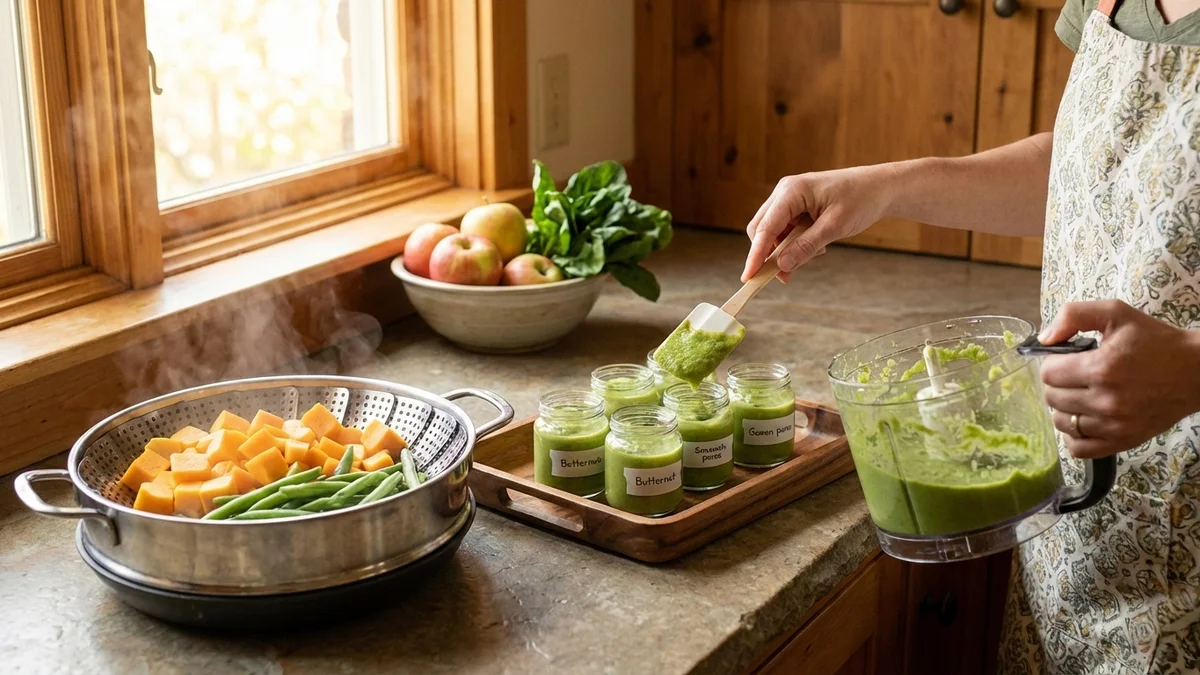
- Steam or roast vegetables and fruits
- Blend or mash to desired consistency
- Add breast milk or formula to thin if needed
- Freeze in ice cube trays or small containers
- Thaw in refrigerator and use within 24-48 hours
Store-Bought Baby Food:
Pros:
- Convenient for busy days
- No prep or cleanup
- Good for travel
- Consistent texture
What to look for:
- Organic options if budget allows
- Simple ingredient lists (no added sugars or unnecessary additives)
- Age-appropriate textures
- BPA-free packaging
Common Challenges and Solutions
"My baby won't open their mouth for the spoon."
Try letting baby play with the spoon first. Offer loaded spoons and let them feed themselves. Make it fun, not stressful. If they're not interested, they might not be ready—wait a week and try again.
"Everything ends up on the floor!"
This is completely normal! Babies are exploring textures, testing gravity, and learning about cause and effect. It's not defiance—it's development. Use a splat mat and try to stay patient.
"My baby only wants milk and refuses solids."
Offer solids when baby is happy and slightly hungry, not starving. Make meals fun and low-pressure. Continue offering without forcing. Some babies take weeks to really get interested.
"I'm worried they're not eating enough."
For the first few months of solids, "food before one is just for fun" is a common saying. Breast milk or formula provides most nutrition until around 9-12 months. Watch diaper output and weight gain, not just food intake.
"My baby is constipated since starting solids."
Very common! Offer plenty of water (in a cup, not bottle), prune puree, or "P" fruits (pears, peaches, plums). Reduce rice cereal and bananas temporarily. Call your pediatrician if it persists.
"My baby gags on everything."
Gagging is normal and decreases with practice. Make sure foods are appropriately soft and sized. Some babies have stronger gag reflexes than others. If it's excessive or baby seems distressed, consult your pediatrician.
Building Healthy Eating Habits
The habits you create now can influence your child's relationship with food for years to come.
Do:
- Offer a variety of flavors and textures
- Let baby touch and play with food
- Eat together as a family when possible
- Model healthy eating yourself
- Stay calm during messy meals
- Respect baby's hunger and fullness cues
- Make meals pleasant and low-stress
Don't:
- Force or pressure baby to eat
- Use food as a reward or punishment
- Assume baby dislikes a food after one try (can take 10-15 exposures)
- Make separate "baby meals" forever—gradually introduce family foods
- Compare your baby's eating to other babies
- Stress about every single bite
The Division of Responsibility:
You decide WHAT foods to offer, WHEN to offer them, and WHERE meals happen. Baby decides WHETHER to eat and HOW MUCH to eat. This division helps prevent power struggles and supports healthy self-regulation.
Nutrition Priorities in the First Year
Iron:
Babies' iron stores from birth start depleting around 6 months, making iron-rich foods crucial.
Good sources:
- Iron-fortified infant cereals
- Meat and poultry
- Fish
- Beans and lentils
- Tofu
- Dark leafy greens
Pair iron-rich foods with vitamin C sources (like tomatoes or berries) to boost absorption.
Healthy Fats:
Baby's brain development needs fat! Don't offer low-fat versions of foods.
Good sources:
- Avocado
- Full-fat yogurt and cheese
- Nut and seed butters
- Fatty fish like salmon
- Olive oil
Variety:
Aim to offer foods from all food groups:
- Fruits and vegetables (all colors of the rainbow)
- Proteins (meat, fish, eggs, beans, lentils)
- Grains (oats, rice, pasta, bread)
- Dairy (full-fat yogurt, cheese)
Don't stress about perfect balance at every meal—look at variety over a week, not a day.
Water and Milk During Solids
Water: Start offering small amounts of water in a cup around 6 months. Baby doesn't need much—just 2-4 ounces with meals to practice drinking from a cup. Don't replace breast milk or formula with water.
Breast Milk or Formula: Continues to be baby's primary source of nutrition and hydration until around 12 months. Amount may naturally decrease as solid intake increases, but baby should still have 24-32 ounces per day.
Juice: Not necessary and not recommended. Juice provides empty calories and can lead to tooth decay and preference for sweet drinks. If you offer it, wait until after 12 months and limit to 4 ounces of 100% fruit juice per day.
Dealing with Picky Eating
Many babies go through phases of pickiness, especially around 12-18 months. This is normal developmental behavior as they assert independence.
Strategies that help:
- Continue offering rejected foods alongside accepted ones
- Don't force or bribe—it usually backfires
- Let baby see you enjoying diverse foods
- Involve baby in simple food prep when older
- Make mealtimes pleasant, not battlegrounds
- Offer new foods when baby is most hungry
- Be patient—preferences change constantly
Remember: It's your job to offer nutritious foods. It's baby's job to decide what and how much to eat from what you offer.
Cultural Foods and Family Meals
You don't have to stick to "traditional" baby foods like rice cereal and pureed carrots. Babies around the world eat their family's traditional foods, and yours can too!
Tips for including cultural foods:
- Modify spice levels for baby's tolerance (mild versions)
- Ensure appropriate texture (soft, easy to chew)
- Watch sodium content (rinse canned beans, reduce added salt)
- Offer finger-food versions of family favorites
- Share your food culture with pride
Eating is about more than nutrition—it's about family, culture, and connection. Including baby in your family meals from the start creates beautiful food memories and traditions.
The Messy Reality
Let's be honest: starting solids is MESSY. Food will end up in hair, on walls, ground into clothes, and smeared on every surface within a three-foot radius.
This is not only normal—it's important. Babies learn about food through all their senses. Squishing bananas teaches about texture. Dropping peas teaches about gravity and cause-and-effect. Getting messy is how babies become comfortable with eating.
Embrace the mess:
- Use large bibs or smocks
- Strip baby down to diaper if you want
- Put a splat mat under the high chair
- Have wet wipes ready
- Take pictures—it's actually cute in retrospect!
- Relax your cleanliness standards for this phase
The mess won't last forever. One day you'll miss those spaghetti-covered faces.
The Bottom Line
Starting solids is a journey, not a race. Some babies dive in enthusiastically from day one. Others take weeks or months to really get interested. Both are completely normal.
Your job is to offer nutritious foods in a safe, pleasant environment. Baby's job is to explore, experiment, and eventually eat. Trust the process, trust your baby, and don't stress about perfection.
Every baby is different. Comparison is the thief of joy. Focus on your own baby's progress, celebrate the small wins (like the first time they actually swallow instead of spitting out!), and remember that this is just the beginning of a lifetime relationship with food.
You've got this, and your baby is lucky to have a parent who cares enough to learn about proper nutrition.
Found this helpful? Share it!
About Mish Baby Guide Team
Part of the MishBabyGuide team, dedicated to helping parents make informed decisions about baby products.